Because being strong is great. Being strong and able to tie your shoes without groaning? Even better.
Strength training is one of the best investments you can make in your long-term health. It improves bone density, metabolic function, joint stability, and confidence. But there’s a common, unspoken side effect when lifting is done poorly: stiffness. The kind that makes you feel 20 years older walking out of the gym than when you walked in.
If you’ve ever wondered why your hips feel like concrete or your lower back tightens after heavy lifting, you’re not alone. The good news? Mobility and strength are not enemies. In fact, they should be best friends.
Let’s break down how to maintain (and even improve) spine and hip mobility while building strength.
Why Dynamic Stretching for the Hips and Spine Is Important (Before and After Workouts)
Let’s clear up a common misconception: static stretching before lifting heavy is not your best move. Holding a hamstring stretch for 60 seconds before deadlifting might feel productive, but it can temporarily reduce force production.
Instead, what your body craves is dynamic mobility work.
Why Before?
Dynamic stretching:
- Increases blood flow
- Elevates tissue temperature
- Improves neuromuscular coordination
- Prepares joints for loaded movement
Your hips and spine are the central drivers of most strength movements—squats, deadlifts, lunges, presses, rows. If they’re stiff, other regions (like the knees or lower back) often compensate.
Dynamic hip and spinal mobility before lifting helps:
- Improve hip internal and external rotation
- Promote thoracic spine extension and rotation
- Reduce stress concentration in the lumbar spine
- Improve depth and form in compound lifts
Think of it like warming up cookie dough before baking. Cold dough cracks. Warm dough moves.
Why After?
Post-workout mobility serves a different purpose:
- Restoring range of motion after loading
- Reducing residual stiffness
- Encouraging circulation for recovery
- Reinforcing movement variability
After lifting, your nervous system has been biased toward tension and bracing. Light dynamic movements (not aggressive stretching) help shift your body out of “maximum effort mode.”
For hips and spine post-lift, focus on:
- Controlled hip circles
- Thoracic rotations
- Cat-cow spinal articulation
- Deep squat breathing holds
Your body doesn’t need punishment after training. It needs recalibration.
Primers to Perform Right Before Strength Workouts
If mobility work is the appetizer, primers are the espresso shot before the main course.
A primer activates key muscle groups and prepares your nervous system for performance. It ensures that when you lift heavy, the right muscles are doing the work.
Let’s talk hip and spine-specific primers.
Glute Activation
The glutes are powerful hip stabilizers and extensors. If they don’t fire properly, the lower back often overworks.
Good primers:
- Glute bridges (with pause)
- Banded lateral walks
- Single-leg Romanian deadlift (light weight)
- Step-ups with controlled tempo
Goal: feel your glutes working before adding load.
Deep Core Activation
This is where many people go wrong. Core engagement is not “suck in your stomach.” It’s 360-degree abdominal expansion.
Before lifting:
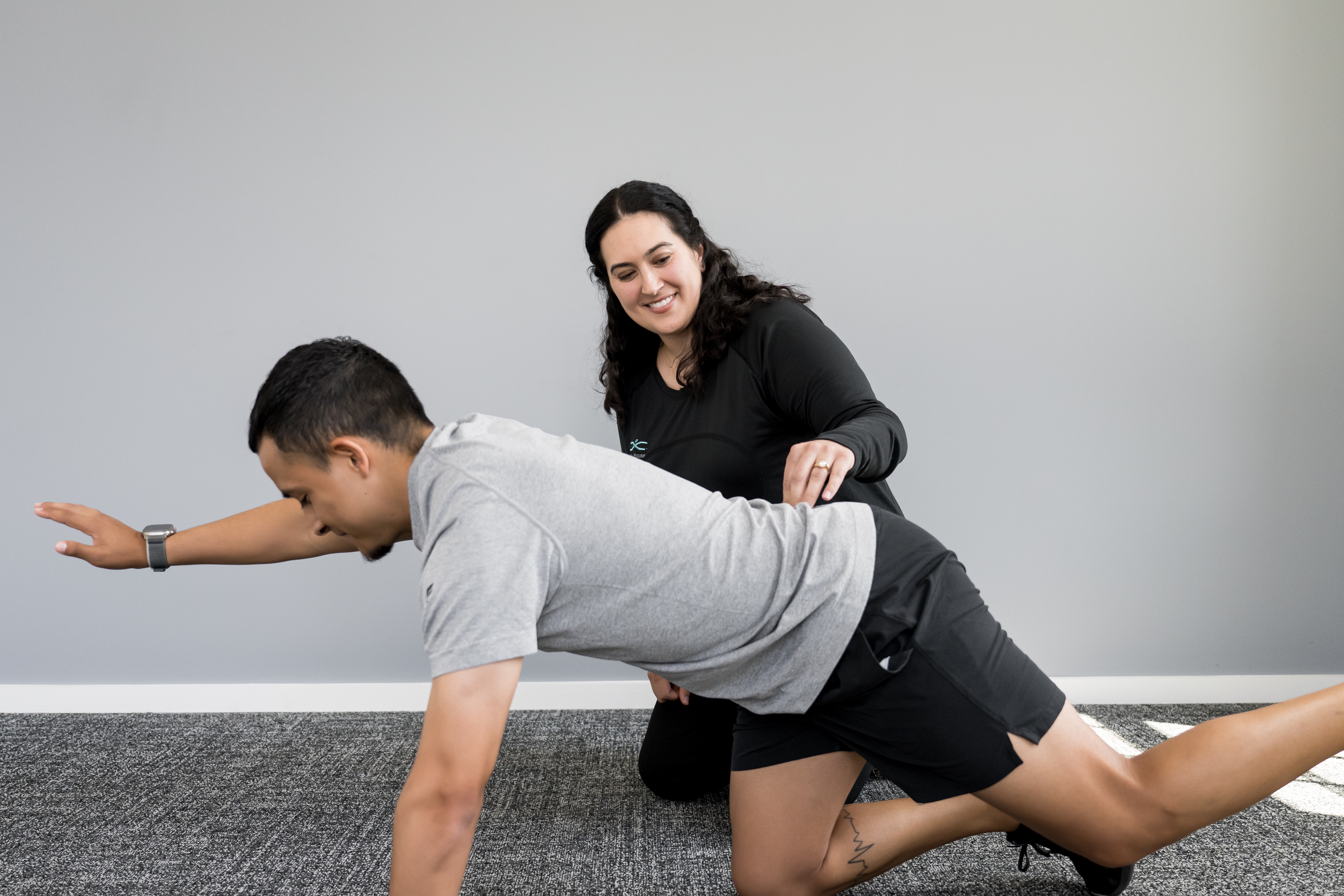
- Dead bugs
- Bird dogs
- Pallof presses
- Plank variations with breathing focus
These exercises teach the core to stabilize while limbs move—a crucial skill during loaded squats and presses.
Thoracic Mobility + Control
This is where many people go wrong. Core engagement is not “suck in your stomach.” It’s 360-degree abdominal expansion.
The thoracic spine (mid-back) needs extension and rotation. If it’s stiff, the lumbar spine compensates.
Primer examples:
- Quadruped thoracic rotations
- Wall slides
- Foam roller thoracic extensions
- Open book rotations
When your mid-back moves well, your lower back doesn’t have to cheat.
Hip Internal Rotation Work
Hip mobility is not just about stretching hamstrings.
Include:
- 90/90 transitions
- Controlled articular rotations (CARs)
- Lateral lunges
Hip internal rotation is particularly important for squats and change-of-direction movements. Limited IR often leads to knee valgus or lumbar compensation.
Why a Balanced Routine in All Planes of Motion Matters
The body does not move in just one direction-unless you live exclusively on gym machines and avoid life.
Most gym programs emphasize sagittal plane movements:
- Squats
- Deadlifts
- Bench press
- Pull-ups
These are excellent exercises. But your hips and spine also require:
- Frontal plane strength (side-to-side)
- Transverse plane strength (rotation)
When you neglect these planes, mobility suffers
Sagittal Plane (Forward/Backward)
Examples:
- Squats
- Lunges
- Deadlifts
Necessary, but incomplete alone.
Frontal Plane (Side-to-Side)
Examples:
- Lateral lunges
- Cossack squats
- Side planks
- Lateral step-downs
These strengthen hip abductors and adductors, improving pelvic stability.
Without frontal plane work, you may develop:
- IT band irritation
- Hip stiffness
- Knee instability
Transverse Plane (Rotational)
Examples:
- Cable chops
- Rotational medicine ball throws
- Landmine rotations
- Controlled thoracic rotation drills
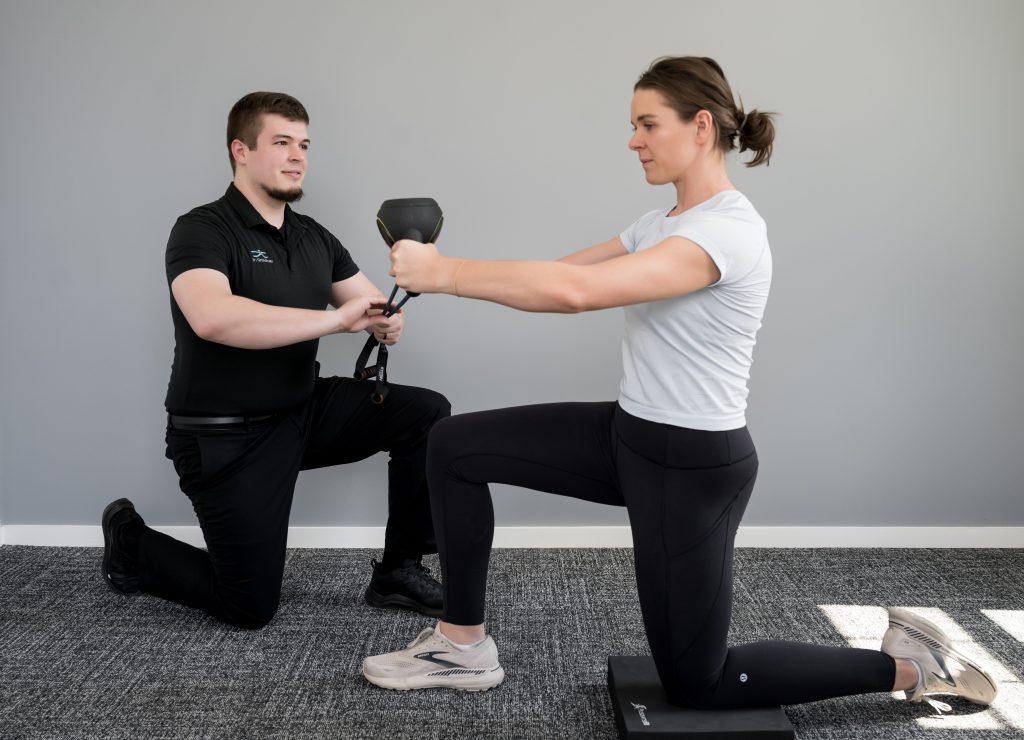
Your spine is built to rotate—especially in the thoracic region. If you never train rotation under control, the body loses access to it.
Balanced programming ensures:
- Even joint loading
- Improved neuromuscular control
- Reduced overuse injuries
- Sustained mobility
Mobility is often lost not because you stretch too little—but because you move too little in certain directions.
Core Engagement and Belly Breathing During Lifting
If I could make every lifter master one skill, it would be diaphragmatic breathing under load.
Core engagement is not about six-pack aesthetics. It’s about spinal stability.
The 360-Degree Brace
Before a lift:
- Inhale deeply through your nose
- Expand your lower abdomen in all directions.
- Maintain that expansion through the initial movement.
- Brace as if preparing for a light punch.
This creates intra-abdominal pressure (IAP), which:
- Stabilizes the lumbar spine
- Reduces shear stress
- Enhances force transfer to extremities
Think of your core like a soda can. When it’s full and pressurized, it resists bending. When empty, it collapses.
Belly Breathing vs. Chest Breathing
Chest breathing:
- Elevates shoulders and ribs
- Reduces core stability
- Increases neck tension
Diaphragmatic breathing:
- Activates deep core musculature
- Improves rib cage positioning
- Protects the spine under load
During lifts like squats or deadlifts:
- Inhale before the descent
- Maintain brace during movement
- Exhale after passing the most difficult portion
Over time, this becomes automatic.
Why It Matters for Mobility
Ironically, proper bracing improves mobility.
Why?
Because stability allows mobility to exist safely.
If your spine feels unstable, your nervous system limits range of motion as protection. When the core stabilizes effectively, the body allows greater movement at the hips and thoracic spine.
Mobility without control is chaos. Control without mobility is rigidity. You want both.
How to Safely Perform Exercises to Failure
Training to failure has its place. It can increase muscular adaptation and strength when used strategically.
But failure done poorly often looks like:
- Lumbar rounding in deadlifts
- Knees collapsing in squats
- Excessive spinal extension in overhead presses
Let’s define something clearly:
Muscular failure is not form failure.
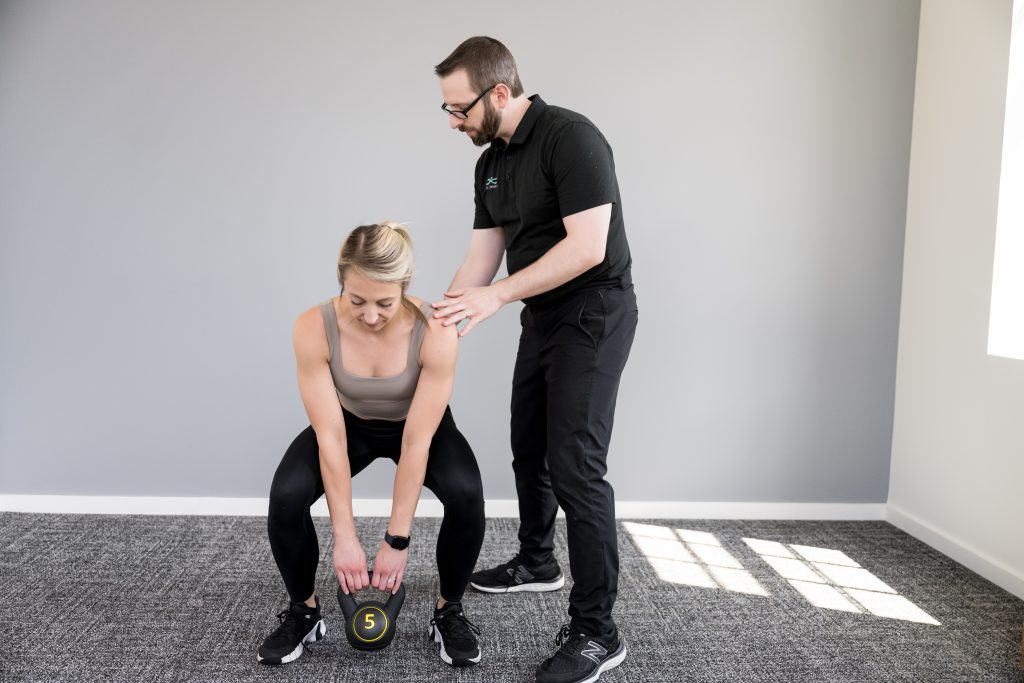
If your technique degrades, you’ve already gone too far. This is why it’s important to perform exercises to failure with a partner or spotter present.
Smart Failure Guidelines
- Use failure mostly in isolation movements.
- Safer examples:
- Leg extensions
- Hamstring curls
- Cable rows
- Machine presses
- Safer examples:
- Avoid failure on heavy compound lifts regularly.
- Going to absolute failure on barbell deadlifts is rarely necessary for progress and increases injury risk.
- Maintain technical consistency.
- If your spine changes position dramatically, stop.
- Leave 1–2 reps in reserve (RIR) for compounds.
- You’ll still stimulate strength without excessive strain.
- Control tempo at the end.
- Slowing the eccentric phase reduces uncontrolled spinal flexion or extension.
Why This Matters for Spine and Hips
Repeated technique breakdown under load teaches your nervous system dysfunctional patterns.
Over time, that leads to:
- Chronic stiffness
- Recurrent tightness
- Irritated facet joints
- Hip impingement symptoms
Training hard is good. Training smart is better.
Putting It All Together: A Sample Structure
Here’s how an ideal spine- and hip-friendly strength session might look:
- Dynamic Mobility (5–8 minutes)
- 90/90 hip transitions
- Cat-cow
- Thoracic rotations
- Lateral lunges
- Activation / Primers (5 minutes)
- Glute bridges (isometric holds and concentric hip taps)
- Dead bugs (Arm and opposite leg extensions with a neutral positioned spine)
- Birddogs (Arm and opposite leg reaches)
- Strength Work (Balanced Planes)
- Squat or hinge (sagittal)
- Lateral movement (frontal)
- Rotational core work (transverse)
- Upper body push/pull
- Post-Workout Reset (5 minutes)
- Deep squat breathing
- Controlled spinal flexion/extension
- Light rotational mobility
Total extra time invested: 10–15 minutes.
Return on investment: years of pain-free lifting.
The Big Picture: Strength Should Expand Your Life, Not Shrink It
Your hips and spine are not fragile. They are adaptable, resilient, and capable of tremendous strength.
But they require:
- Movement variety
- Intelligent loading
- Proper breathing
- Technical discipline
Stiffness is often not a sign that you’re “getting older.” It’s usually a sign that your training lacks variability or control.
Train your hips to rotate. Train your spine to stabilize. Breathe like it matters, because it does!
Lift heavy, but lift well.
Strength and mobility are not opposites. When trained correctly, they amplify each other.
And ideally, they allow you to keep doing the things you love-whether that’s lifting, running, golfing, gardening, or dramatically sitting down after leg day and pretending you’re fine.
Your future spine and hips will thank you.
Content Provided By Dr. Parker Grundman DC