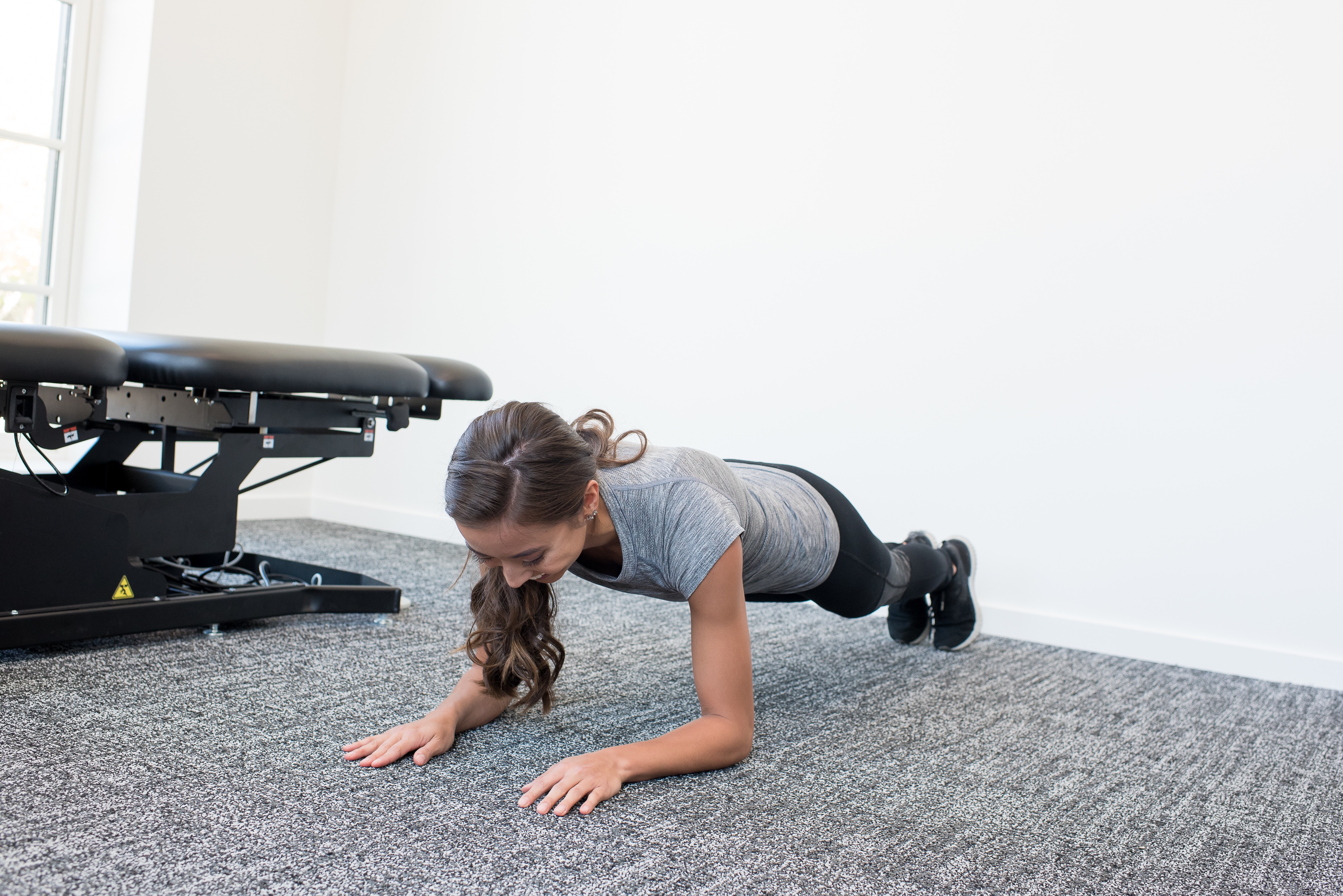
A very common question that is asked by a majority of patients in the office is what constitutes a good warm-up and a good cool down. The real differentiating factor between these two truly comes down to dynamic versus static movements. As we will discuss throughout the entirety of this blog, a dynamic activity is one that involves movement and acceleration and should be used as a warm-up. Consequently, a static motion or stretch is something that does not include such movement and should be used when performing a cool down.
This is a very important piece of understanding for those leading an active lifestyle, and who maintain a consistent amount of exercise throughout their lives. Those of us that do not institute a great deal of warming up and cooling down, increase our risk of injury massively. Part of the treatment protocol with our highly specialized and trained doctors here at Integrated Health Solutions, includes a dynamic rehabilitation portion that is made up of several key pieces of information, including how to maintain a healthy exercise regimen. In this blog, we will not only discuss the differentiation between these two types of movements, but we will dive into the entirety of a treatment with the doctors here at integrated health solutions, and how it can be of most benefit to you.
The most important thing to understand about a dynamic movement, is that it involves active and controlled movements that integrate one’s range of motion. This is commonly seen in exercises such as: high knees, butt kicks, shuffling, and even something as simple as a light jog.The reason these exercises and movements are so important is that it increases the temperature of one’s muscles as well as the overall mobility of the body and its joints. It is consequently important to understand that this should be done as a pre-workout exercise or routine. It is important to prepare the body for these motions, and by doing a dynamic movement, you do just that.More importantly, you significantly reduce the risk of injury when the temperature, mobility and plasticity of the muscle muscles you are working are increased.
Another key aspect to your effective workout routine is understanding static movements, which is holding a position without any movement. This is meant to increase one’s flexibility, as well as their range of motion and the overall endurance of their musculature. You can also help aid in your general sense of recovery by reducing your sense of post workout muscle soreness. These stretches are most commonly done when either standing or seated on the ground with legs in certain positions like: the butterfly stretch, a dual legged hamstring stretch and even a cross-body IT band stretch. These activities or stretches are most commonly done as a cool down and a way to prepare the body for the oncoming, sedentary activities, typically following and exercise. This increases your flexibility and range of motion, as well as the strength and stability of your musculature by lengthening the muscle fibers and creating a symmetrical isometric contraction. These can also help aid in the reduction of your post exercise stretch by holding the exercise or movement for longer periods of time to activate the parasympathetic nervous system. This is similar to what is done in yoga. The most important aspect of static stretching, other than avoiding movement, is to monitor intensity to the point of a mild tightness and avoiding pain.
This is simply one aspect of what would be considered part of our dynamic rehabilitation here at IHS. There are a plethora of other treatments available, including dry needling, soft tissue manual therapy and of course, chiropractic Adjustments. The doctors here at IHS are specially trained to identify and diagnose individual problems or dysfunctions within the human body. The doctor will then create a prognosis and treatment plan, indicating which treatment options would be most actively applied to your condition. Let’s begin by breaking these treatments down.
First, we have dry needling. This is an increasingly common treatment option done in facilities like IHS. It involves the use of incredibly thin microfilaments to penetrate through the skin barrier and work to release trigger points, adhesions, muscle, knots, and even directly affect the sympathetic nervous system. This is commonly confused with the acupuncture based approach. Acupuncture, while it uses the same needles, focuses on more of an energy and chi target, while maintaining a more shallow entry point. Dry needling, penetrates further into the musculature and targets the neuromuscular stability of the body. This is hands-down the most effective treatment option offered with us here at IHS.
Next, we have soft tissue manual therapy. This is a more common treatment option that can be applied in several different ways. Most people are familiar with massage therapy, the use of hands-on direct approach to remove stress, intention from muscles while aiding in circulatory benefits. What is less commonly known is the approach of manual therapy options such as Graston and ART. These are more aggressive forms of manual therapy, and soft tissue release, which increases the effectiveness of the tissue release while maintaining circulation improvement. ART specifically deals with the induced movement of the body typically done by the provider to increase the efficacy of the muscle work. This treatment option pairs exceedingly well with the dry needling approach to work, congruently for muscle tension, relief while aiding in recovery and diminishing pain response.
Third, we have the chiropractic adjustment. This is most likely the most common treatment option that would be recognized here at IHS. Like other chiropractors, our doctors target joint spaces that indicate a decreased range of motion and show dysfunction within the overall appearance of the body and it’s biomechanical effectiveness. The chiropractic adjustment is a minor force applied to a joint space to increase the range of motion and help further aid in the release of more intricate musculature. The main difference you will see utilized by the doctors here at IHS, is the timing of the adjustment. Our doctors are trained to apply the adjustment after the soft tissue work is done. This enables the doctors to use a less aggressive force when doing the adjustment which ultimately aids and the most optimal patient experience.
Lastly, we have dynamic rehabilitation. As we have discussed earlier in this blog, the simple approach of dynamic versus static movements, aiding, and warm-ups and cool downs for physical activity, is only one application of our version of rehabilitation. Our doctors are trained in several different protocols, including DNS and SFMA, and are experts in understanding the biomechanical and functional movements of the body. This enables our doctors to provide you with the exact and most specific exercise regimen that is most beneficial to you. This can include, but is not limited to: core work, at home stretching and manual therapy, postural awareness, seated and desk ergonomics, and much more. This treatment option is most commonly used to transition our patients into a more structured and maintenance-based care plan. By implementing the routine and exercises given by our doctors, you will be able to maintain for longer periods of time the improvement received by the other treatments.
The combination of these four treatments provides the best treatment option available here at IHS. While we simultaneously offer more passive treatments through cryotherapy Indy Including: cryotherapy, infrared sauna, Normatec compression, and even a sensory deprivation flotation tank. A passive treatment is simply one that does not need to be done at the hands of the doctor. These treatment options are additional services that can be done at any time during the week and even available on Saturdays at our downtown location. The overall goal of our highly trained doctors here at IHS, is to first and foremost treat the individual in front of us. This thorough and intricate treatment plan allows our doctors to hand tailor and individualize each specific treatment to the targeted individual it is given to. Ask your doctor at your next visit, or call any of our offices at any time to speak with our extremely well trained front desk staff to learn more about these amazing opportunities to pair with your next treatment.
Movement and exercise are two of the most important activities that the human body can be involved in. Understanding the difference between a proper warm-up and cooldown is an essential part of exercise and movement. Hopefully throughout the duration of this blog, you have picked up a few useful tips that you can apply to your own daily routine and exercise regimen. To recap, when attempting to warm up and prep the body for an oncoming exercise, a dynamic based movement is the most effective approach. This can be any and all types of movement that include motion and warming up the muscle fibers and increasing the heart rate to prepare the body for what comes next. A static movement or stretch is the best approach to an effective cooldown immediately following said exercise. This can be a seated or standing isometric movement that is done at a lower intensity for longer periods of time to help decompress the body and prepare it for what comes during the duration of the day.
The overall treatment plan that is created and given by the doctors here at IHS can provide you with a world class knowledge and understanding of your own personal biomechanics and functional movement to best assist your workout routine. Our doctors are even trained in specific gym based exercises and can assist you in developing the best workout routine. That would be the most effective for you specifically. The combination of dry needling, soft tissue, chiropractic Adjustments and dynamic rehabilitation, gives each individual patient the best approach and preparation for the physical demand and load that exercise brings.
This knowledge and so much more can be yours in the mirror blink of an eye. We have multiple doctors available at three individual locations every day of the week. If you are struggling with pain, discomfort, or are looking to add that extra edge to your physical movement routine, we are the place for you! You can book your appointment online or call any of our offices throughout the week to speak with our staff and assist you with scheduling your first or next appointment. Don’t miss your chance to optimize your physical production and get the best out of the body that was given to you. We are always ready to help and look forward to giving you the best experience possible!
Content Provided By: Dr. Jordan Miller