
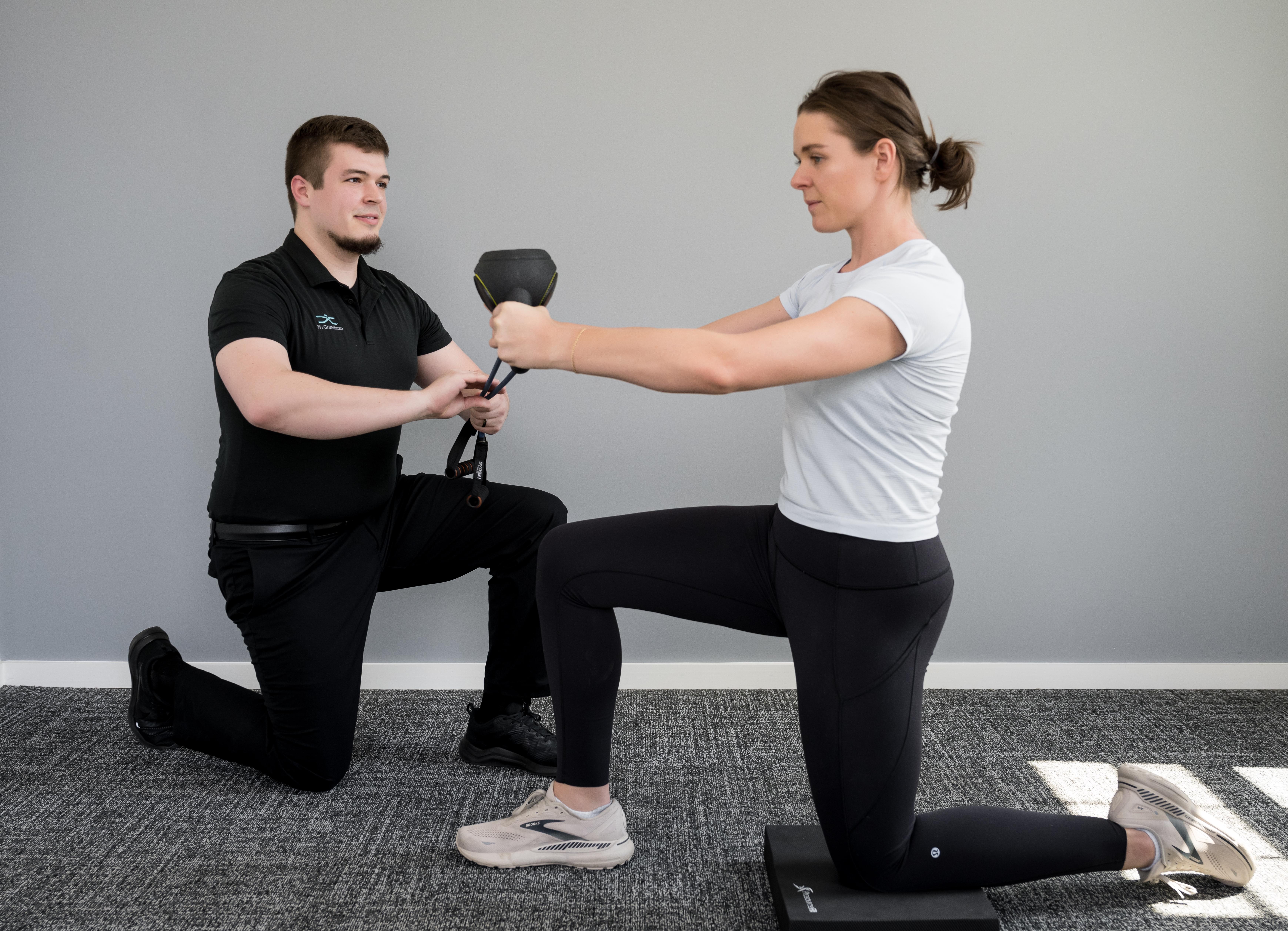
When you think of chiropractic care, you might picture a practitioner adjusting spines, relieving discomfort with expertly placed thrusts. However, an integral part of chiropractic treatment often involves another powerful tool: corrective exercise. Let’s delve into why chiropractors incorporate exercise into their treatment plans and how it can significantly promote healing, mitigate pain, and enhance patient outcomes.
The Power of Exercise in Healing
Exercise is a multifaceted approach that can enhance recovery from injuries and reduce pain in various musculoskeletal conditions. Research consistently demonstrates that exercise therapy can accelerate healing processes, promote physical fitness, and even improve mental well-being.
Mitigating Pain
One of the most immediate benefits of exercise is its ability to alleviate pain. To know what exercises are necessary, this is unraveled in the assessment. The assessment will tell the physician what is driving the patient’s pain and what is not painful with movement. The best way to know if someone can be helped without surgery is by knowing the pain can be changed, for better or for worse. This requires pain provoking tests to indicate the specificity of the injury. After that, finding what movement can be performed without “poking the bear” is a great start for guiding patients what to do throughout the day that is not going to scratch the scab that is their injury. Engaging in less painful physical activities can stimulate the release of endorphins—natural painkillers produced by the body. This biochemical reaction can significantly diminish perceptions of pain and enhance mood as a bonus. For patients suffering from back pain, hip pain, neck pain, or headaches, specific exercises prescribed by the physician can help in reducing muscle tension and improving mobility. These targeted exercises can lead to considerable pain relief, ensuring patients experience improved quality of life.

Promoting Healing
Exercise doesn’t just mask pain; it actively promotes healing. Movement encourages blood flow, which is essential for delivering nutrients to injured tissues. Improved circulation aids in the removal of waste products, thereby facilitating recovery. Moreover, optimally prescribed exercises can help rectify postural imbalances that contribute to chronic pain. By restoring normal function and biomechanics, exercise lays the groundwork for enduring health.
The Role of Stability and Mobility
When it comes to optimizing outcomes, two key elements stand out: stability and mobility. Chiropractors often assess both when devising individualized exercise plans for their patients.
-Stability
Stability refers to the body’s ability to maintain control of joint movement or position. A stable body can prevent injuries and ensure the effective transmission of forces, particularly in the spine and pelvis -regions that bear a lot of stress. Core strengthening exercises, for example, engage the muscles of the abdomen, pelvis, and lower back, creating a sturdy base for movement. By enhancing core stability, individuals can experience fewer injuries and improved functional abilities in their daily lives.
-Mobility
Mobility, on the other hand, describes the ability to move freely and easily. Inadequate mobility can lead to compensatory movements that place undue stress on muscles and joints, increasing the risk of injury. Exercises that enhance flexibility and range of motion, particularly in the hips and legs, can play a vital part in promoting spinal health. A chiropractor may recommend specific stretches or mobility drills that focus on loosening tight areas and enhancing the overall range of motion. This focus on mobility not only helps in relieving pain but also ensures that the body can move as it was designed to -smoothly and efficiently.
Corrective Exercise
Chiropractors often employ exercise therapy as the foundational strategic component for optimizing patient recovery. Corrective exercise involves tailored movements designed to improve function by addressing muscle imbalances and movement deficiencies. This practice serves multiple purposes, including: -Improving Reaction Time: Incorporating agility drills into a patient’s exercise routine can enhance neuromuscular coordination and speed up reaction times. This is particularly beneficial for athletes and individuals engaging in physical activities.
– Decreasing Hypersensitivity of Injury: Injured tissues can become overly sensitive; a protective mechanism that, unfortunately, can hinder movement and recovery. Corrective exercises that gently reinforce movement patterns can help desensitize these areas and restore normal function. – Preventing Future Injuries: One of the significant goals of exercise therapy is to prevent re-injury. By strengthening the muscles and stabilizing the joints, patients become more resilient against potential injuries.
The Core Connection
No discussion of exercise therapy in chiropractic care would be complete without a nod to the core. The core is not just about the abs; it’s a complex group of lower torso muscles that includes the pelvic floor, diaphragm, and multi-directional muscles surrounding the spine. This tissue acts as a girdle to provide stability. Strengthening this area forms the foundation of movement for the entire body.

Benefits of Core Strengthening
1. Improved Spinal Stability: A solid core contributes to better posture and spinal alignment, reducing the risk of injury.
2. Enhanced Performance: Whether in sports or day-to-day activities, a strong core supports better performance, allowing individuals to execute movements more effectively.
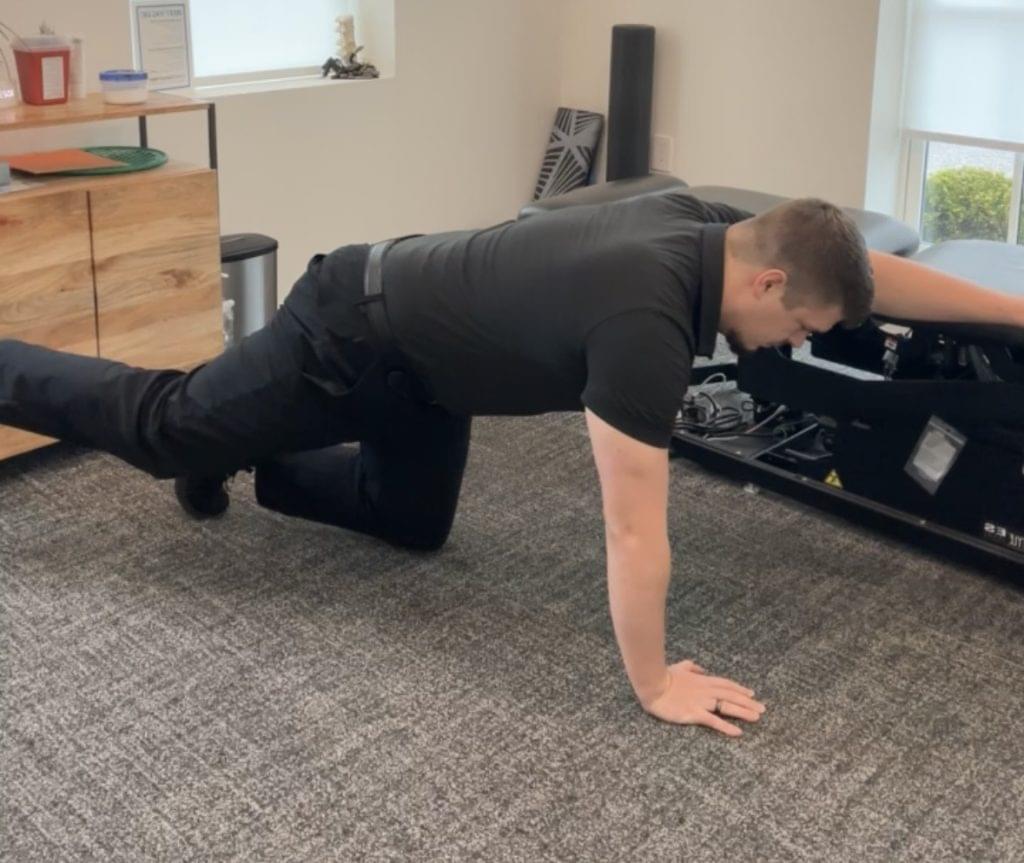
3. Decreased Back Pain: systematic reviews have shown that building core strength can lead to significant reductions in chronic back pain, as it stabilizes the spine and reduces strain on surrounding muscles. Chiropractors often prescribe specific core exercises like intra-abdominal breathing, side bridging, birddogs, and hip hinging movements tailored to the patient’s capabilities and needs.
Hip Control and Leg Mobility
The importance of hip control and leg mobility cannot be overstated when discussing spinal health. Mobility issues in the hips can directly affect the condition of the lower back, as these areas work in concert during most motions. Our clinical experience with thousands of patients has shown that the majority of them with low back pain have underlying hip control and mobility issues. A lot of the time this is the very reason the injury was caused in the first place.
Strengthening Hip Control
Several exercises focus on stabilizing and strengthening the hip region. Examples include side-lying bridges, banded high knees and clamshells that target the gluteal/hip flexor muscles. These muscles play a key role in maintaining pelvic stability. Improving hip control not only enhances athletic performance but also helps prevent lower back injuries that stem from compromised hip function.

Expanding Leg Mobility
Leg mobility can be improved through various stretching techniques, such as dynamic stretches or static holds. Exercises like hill walking, hip hinging, lunges, and hamstring primers help ensure that the muscles and connective tissues are engaged, enabling a broader range of movement. These enhancements in hip and leg function diminish stress on the spine and support overall postural health, contributing to a longer lifespan of well-being and activity. Commonly overlooked training is reaction time for the hips, legs and feet for those with low back pain within the geriatric population. The importance of tissue control and reaction time is to prevent the risk for slips, trips and falls. Better foot and leg strength leads improved neurological function and proprioception (the brains ability to be aware of body parts while stationary or moving). Training proprioception with exercise can save people’s freedom of movement but also help avoid devastating injury.
What About the After?
When patient’s pain solution is grasped, they demonstrate quality movement integrity of the spine and legs while also showing considerable improvement of core control for stability, this is the optimal time to return to lifting. But at this point, if they are not looking for the podium in the Olympics, it is strongly considered that they lift consistently at 80-85% of their max no more than 4 times a week. This frequency without maxing allows optimal recovery time while maintaining a range of strength training that does not cause pain. This baseline is a general consideration for lifting and is meant for those that fall within the criteria stated previously.
Conclusion
Chiropractors recognize that exercise therapy is not merely a supplemental component of care; it is a vital element that can transform treatment outcomes. By incorporating exercise into their practice, chiropractors facilitate pain relief, encourage healing, ensure stability and mobility, and help prevent future injuries. Whether you’re dealing with a current injury or looking to maintain optimal health, engaging in a well-structured exercise program under the guidance of a chiropractor can lead to substantial benefits. Investing time in your physical well-being truly pays off-not just today but for years to come. Incorporating a strategic mix of corrective exercises, core strengthening, and enhancing hip and leg functionality can empower individuals on their journey toward health. Embrace exercise therapy and watch as it reshapes your health and quality of life! If you’re looking to explore how exercise therapy might benefit your health, don’t hesitate to reach out to Integrated Health Solutions for personalized guidance. After all, it’s never too late to start prioritizing your well-being, and a well-rounded approach could be just what you need to thrive!
Content provided by Dr. Parker Grundman