
With the recent drop in temperature over the last few weeks, it is important to discuss and understand what the negative impacts of colder weather mean for the body, and more importantly, your activity. Beyond the obvious risks such as hazardous road conditions, decreased desire to leave house and weakened immune system, the decreased temperature plays a vital role in both our cardiovascular and musculoskeletal health. What is important to understand is how these conditions directly impact the body and what we can do to stay off the negative consequences accompanied with it.
In this blog, we are going to discuss what the negative impacts of decreasing temperature and the accompanying effects that play on our body and our daily routine. Most of us get excited with the fall season around the corner. Whether this means the return of the football season, the return of your favorite coffee or maybe even breaking out that warmer and comfier wardrobe that’s been staring at you from the back of the closet over the last few months, there is so much to look forward to during this time of the year. What we often don’t think about is what role this plays in the function of our body.
While there are several groups that experience these changes and drop some temperature more severely, the outdoor running and exercise communities are typically the ones that are most noticeably affected. When the outside temperature drops, the body must work significantly harder to maintain the internal core body temperature. This typically means restricting blood flow through a process known as vasodilation to ensure that the more vital bodily organs are properly supplied with blood flow to ensure our survival. Unfortunately, the body is not so concerned about continuing your outdoor physical activity regimen. This means that we must be careful and slightly change the way that we go about performing these activities to a safe degree.
The dropping temperatures are also accompanied by a fairly significant shift in the barometric pressure. This most noticeably affects the musculoskeletal system. The shift in this pressure causes tension, control difficulties in our muscles, tendons and joints. This means that not only will the body feel more stiff throughout the day, the mechanical and literal function of the body will be directly, if not significantly, impacted. When the barometric pressure changes, the muscles typically expand and contract, which create a chronic tension if not handled properly. Chronic tension in the muscles increases tension upon the tendons. This tension changes the pressure in our joints and restricts our movement. This means that anytime you are outdoors, other than simply feeling a tightness and a restriction in the skin of your hands, the internal functioning musculoskeletal system feels a very similar effect.
In general, the body must work significantly harder to perform the same tasks to the same degree that the body does so easily during the warmer months. The good news, there are several ways to combat this, and ensure that our body functions safely, and as it does during the rest of the year. A few of these things that we can do include: covering a majority of our skin when outdoors, ensuring a proper and slightly lengthier warm-up session and continuing with musculoskeletal care for proper function. While stretching and versions of at home manual therapy like using your lacrosse ball, foam rolling, or using the handy massage gun are helpful, receiving proper musculoskeletal treatment for the affected areas becomes drastically more important.
In our society, nowadays, we are all so cramped for time. This means that, even though we understand and realize that things may be important, they sometimes get shortened or ignored altogether. In my experience, stretching, and properly warming up is one of these things. We have so many things on our plate and so many things that need to be done, taking a simple 5 to 10 minutes to ensure that our body is sufficiently prepared for activity, simply doesn’t make the cut. I cannot stress how incorrect and dangerous this mentality is, especially during the colder weather months. Think of it this way. If you go to the car dealership in December and grab a brand new 2026 vehicle right off the lot and turn the vehicle on, will it immediately blow hot air? Of course not. Now while it may be a shorter period of time before that hot air comes, we typically have to let the engine idle or we simply drive the car for a few minutes before the air becomes warm. That is with a brand new car. Now let’s talk about the 1995 model that’s been sitting in the garage for quite some time. Obviously, that car is going to take a substantial amount of time to achieve the same goal of hot air. Now I hate to break it to most of us, but our bodies are the 1995 models (or slightly older :D)
During these colder months, it becomes increasingly more important that we safely prepare our bodies for the changes occurring around us. Now, while that analogy may seem to make a ton of sense for the people running or exercising outdoors, it also applies to the rest of us still simply exercising indoors. Whether you are physically experiencing the drastic drop and temperature in the early or later portions of the day, the changes in barometric pressure affect your body, the exact same way. Even though your body does not feel cold, the tensile strength of the muscles increases, and the joint restriction is notable. It is still equally as important for the individuals in a gym or exercising at home to warm up and properly, prepare the body for movement and activity.
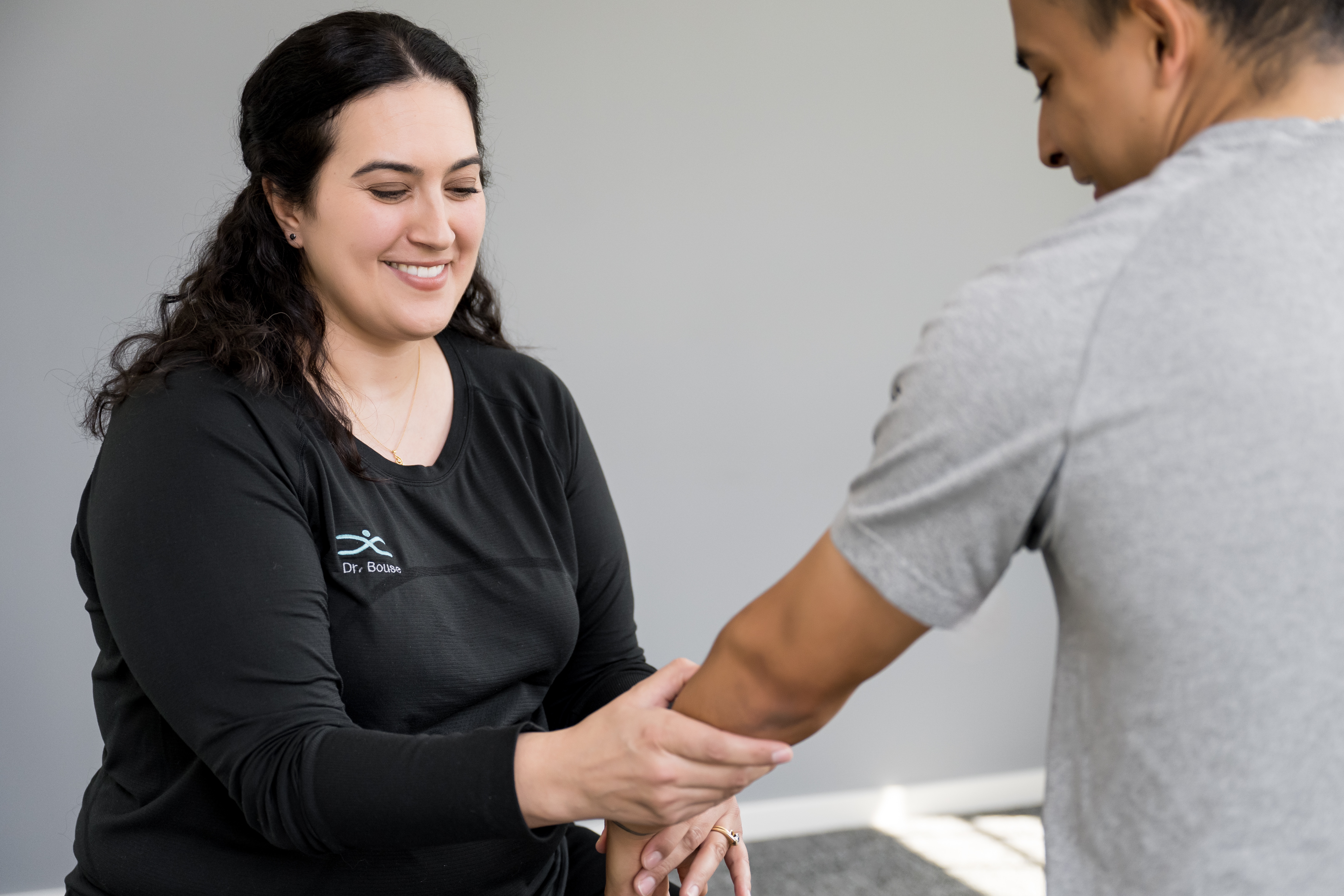
While most of this may seem like common sense, or something that we can very easily do on our own, there are certain things for which we require outside help. Stretching and warming up the body may protect you to a certain degree and prepare the body for the upcoming exercise, but without a proper musculoskeletal treatment, injuries are still simply lurking right around the corner. That is where trained professionals like the doctors here at IHS come in handy. Oftentimes we think of treatment as something that needs to be reactive. Wait until you get an injury, then get help. I’m not sure when exactly this model was created and how the rest of the medical system got it so wrong, but let’s take a second to think about the dental industry. How often do you brush your teeth? How many times a year do you visit the dentist? More importantly, why do you do those things? Do you only brush your teeth when you wake up and they are in pain? Now I certainly hope this is not the case, but that would be wild if the answer was yes. The answer is quite simple, we do these things proactively to ensure that injury or pain or treatment does not become necessary. Why do we not apply the same principle to the rest of our body?
Here at IHS, our treatment protocol is very straightforward. We use a multidimensional approach to effectively treat the musculoskeletal system and rid the body of pain and dysfunction, both current and future. The future part is what is often neglected. People think of chiropractic the same way they think of the western medicine model. When you have a pain or an ache or a tightness, then you go see the doctor. However, as all of our long-term patients would inform you, shifting this mentality and receiving proactive treatment, very easily becomes the best approach. Why wait until your body becomes dysfunctional and you can’t do the things you need or want to do, when you can prevent those things from occurring altogether. That is what we strive to achieve.
When you first arrive at IHS, you will be assessed by the doctor and a care plan will be initiated. This care plan is designed to as quickly and as efficiently as possible get the body back to feeling well. Once this is achieved, the treatment should not stop there. It should simply be spread out. This is where the maintenance protocol is then begun. While every patient and their respective body is different, the approach is the same. For some of our patients, this routine maintenance is performed on a monthly basis. For others, it is done more annually. At the end of the day, it is directly related to the physical, mental and emotional stress the body experiences on a day-to-day basis, and how well you managed to take care of that. If you are somebody with a rather sedentary lifestyle who does not submit their body to regular or chronic stress, you might not need as frequent work as somebody working a laborious job who also goes to the gym 4 to 5 times a week. But that does not mean that you sit and wait for the pain to begin. The same way we do not wait to need cavities or root canals to visit the dentist, we go every six months to ensure that we treat these problems before they become unmanageable.
A treatment here at IHS is going to constitute for individual treatments: medical acupuncture, otherwise known as dry needling, soft tissue manual therapy, chiropractic manipulation, and dynamic or functional rehab rehabilitation. The combination of these four therapies treat all aspects of our muscular, skeletal health, both current and future. This ensures that we can effectively combat the upcoming weather changes and sufficiently prepare the body for what’s to come.
The dry needling and soft tissue manual therapy ensure that the ever increasing tension placed up upon the muscles and the tendons becomes alleviated. The chiropractic manipulation ensures that the joints maintain their mobility with the previously released muscle tension. The body cannot function optimally with only one of these. That is why the adjustment only method is not a chronic long-term solution. When the only thing that is mobilized is the joints, you’re missing half of the picture. The muscles eventually turned to tendons, which attach to side bones and joints. No matter how many times you mobilize the joints, you will not also effectively treat the muscle tension. Lastly, the dynamic and functional rehabilitation gives the body the proper tools to assist you in maintaining your long-term well-being. Whether these are stretches, strengthening exercise exercises, or even postural and ergonomic changes in your day today routine, these take your body from where you are to where you strive to be.
Nothing that we do will prevent this cold weather from descending upon us, and nothing that we do will prevent the subsequent changes it creates in our body. The best that we can do is ensure that we are sufficiently prepared, and well equipped to handle those changes in stride without sacrificing the things important to us.
If you or someone you know is struggling with pains, aches, or mechanical changes in the body, contact us either via telephone, email or by scheduling an appointment with one of our highly trained clinicians online. Our doctors are willing and eager to take you from where you are and assist in bringing you to where you want to be.


